Newborn Baby Blankets

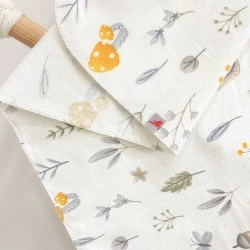








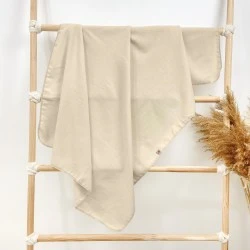
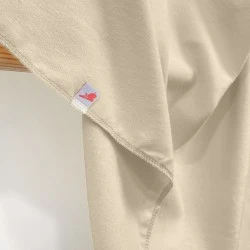

Newborn Baby Blankets — Flannel & Muslin
A baby blanket is one of the first things every parent adds to their hospital-bag checklist — not just because every list recommends one, but because they're genuinely useful for months afterward. The right choice comes down to a few things: the blanket's size and intended use, the season you'll be using it in, the color or print, and how many you'll need.
What Types of Baby Blankets Are There?
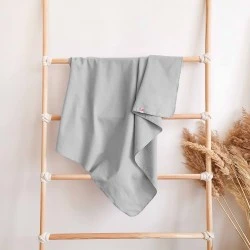
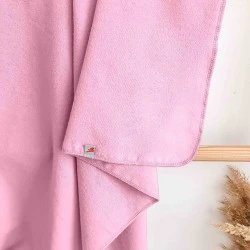
- Flannel (sometimes still called by its older name, "baika") — a dense fabric with a brushed, fleecy inner surface and a smooth outer side.
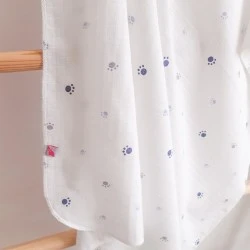
- Muslin — light and airy, woven in an open, mesh-like structure similar to gauze.
- Cotton poplin — a lighter woven cotton option.
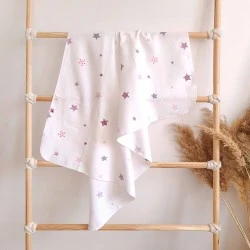
They also come in a range of standard sizes (80×80 cm, 70×70 cm, 100×100 cm, 110×80 cm) and colorways — solid colors, printed designs, or blankets marked with the baby's age range.
Why Choose the Larger 110×80 cm Size?
Tunes sews its flannel blankets in a large 110×80 cm size specifically so you get more use out of each one. A blanket that size can double as:
- A traditional swaddle wrap
- A cover for the changing table
- A liner for the crib or stroller
- A nursing cover when you're out in public
- A light throw for cool spring or summer walks
- A non-slip bath mat liner
- A stroller canopy cover
- A beach blanket for sun time with your baby
- A backdrop for at-home newborn photos
Flannel Blankets — Warm and Cozy
Flannel blankets are thick, warm, and brushed for extra softness — ideal for the colder months. For autumn and winter, most parents keep 5 to 10 on hand, since they get used constantly. In summer you'll want fewer of these and more lightweight sheets instead. Natural-fiber flannel absorbs moisture well and dries quickly after washing — one more reason to check that the fabric is 100% cotton before you buy.
How to Choose a Quality Baby Blanket
- Look for a properly finished, hemmed edge rather than a raw cut edge — raw edges will fray over time.
- The fabric should feel genuinely soft against the skin.
- It shouldn't lose its shape or texture after repeated washing.
- The fabric should come with a quality certification.
- Good moisture absorption matters — a blanket that wicks moisture away quickly helps prevent overheating and lets the skin breathe.
FAQ
What's the difference between flannel and muslin baby blankets?
Flannel is a thicker, brushed fabric best suited to cooler months, while muslin is a lighter, more breathable weave that works well for swaddling in warmer weather or as a lightweight cover.
What size blanket should I buy for a newborn?
A 110×80 cm blanket gives you the most flexibility — it's large enough for swaddling, as a changing-table cover, a stroller liner, and more, whereas smaller sizes are mostly outgrown or repurposed as burp cloths within the first three months.
How many blankets does a newborn need?
For autumn and winter, 5–10 flannel blankets is typical since they're used daily. For summer, fewer flannel blankets and more lightweight muslin or cotton sheets tend to work better.
Are these blankets reusable and machine washable?
Yes — Tunes blankets are reusable and machine washable; 100% cotton fabric absorbs moisture well and dries quickly after washing.
Featured