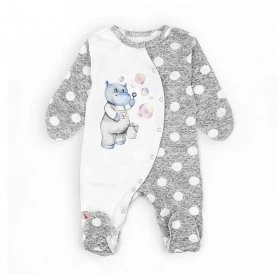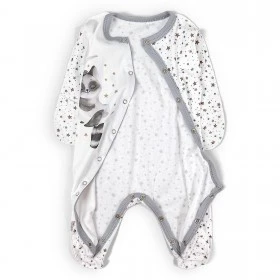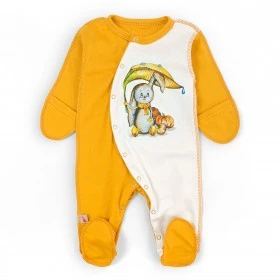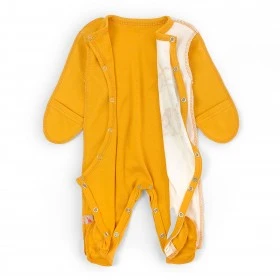
Anti-Scratch Mittens


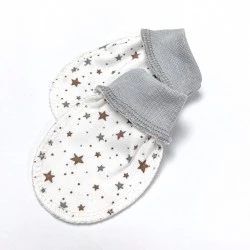
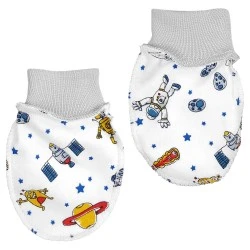
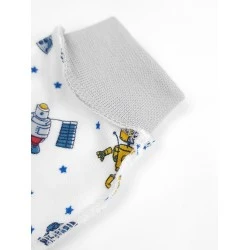
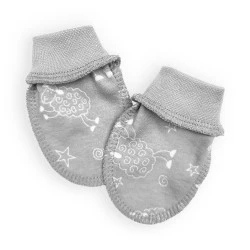
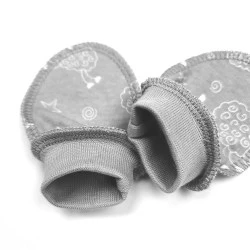


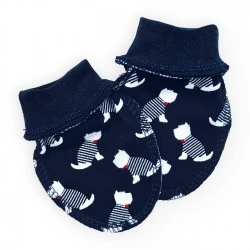
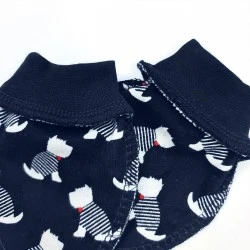


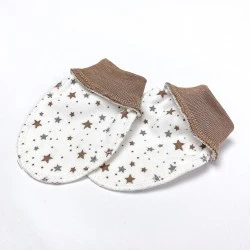


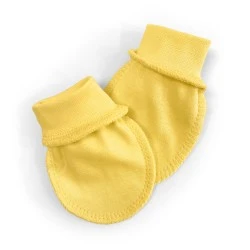
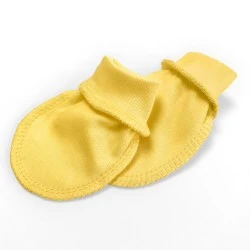
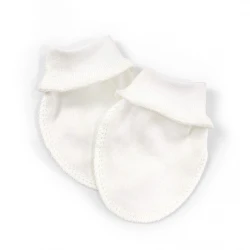
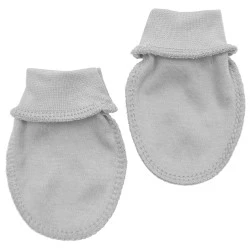


Newborn Anti-Scratch Mittens
Anti-scratch mittens are a small detail, but an important one, in a newborn's first wardrobe. In the first days of life, babies don't yet have coordinated control over their movements, and their own sharp little nails can scratch their face without them meaning to. A pair of soft mittens solves this simply and completely.
When to Trim Baby's Nails
A common early question is when it's safe to give a newborn their first manicure. Most parents wait until after coming home from the maternity hospital for that first trim — in the meantime, simply keep a pair of mittens on your baby's hands. It's worth having one or two pairs ready before the birth, packed straight into your hospital bag.
How Long Should a Baby Wear Them?
Mittens are generally recommended for up to the first 3 months, since touch plays an important role in a newborn's rapid development during this stage. If your baby still tends to reach for their face after 3 months, it's better to only use mittens during sleep — while your baby is awake, you can supervise their hand movements directly.
What to Look For
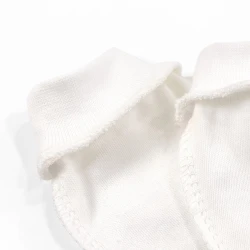
Like the rest of a newborn's wardrobe, mittens should be sewn with outside seams and made only from natural materials. They should stay on with a soft, wide cuff — never with drawstring ties. Ties that are too tight can restrict circulation, while ties that are too loose won't keep the mittens on at all.
FAQ
When should I trim my newborn's nails for the first time?
Most parents wait until after leaving the maternity hospital for the first manicure, using anti-scratch mittens in the meantime.
How long do babies need to wear anti-scratch mittens?
Typically up to 3 months. After that, if your baby still scratches their face, mittens are best limited to sleep time only.
Are tie-closure mittens safe for newborns?
No — ties that are too tight can restrict circulation at the wrist. Look for mittens with a soft, wide cuff instead of drawstring ties.
How many pairs should I buy?
Two to three pairs is a practical amount to have on hand for the first three months.
Featured